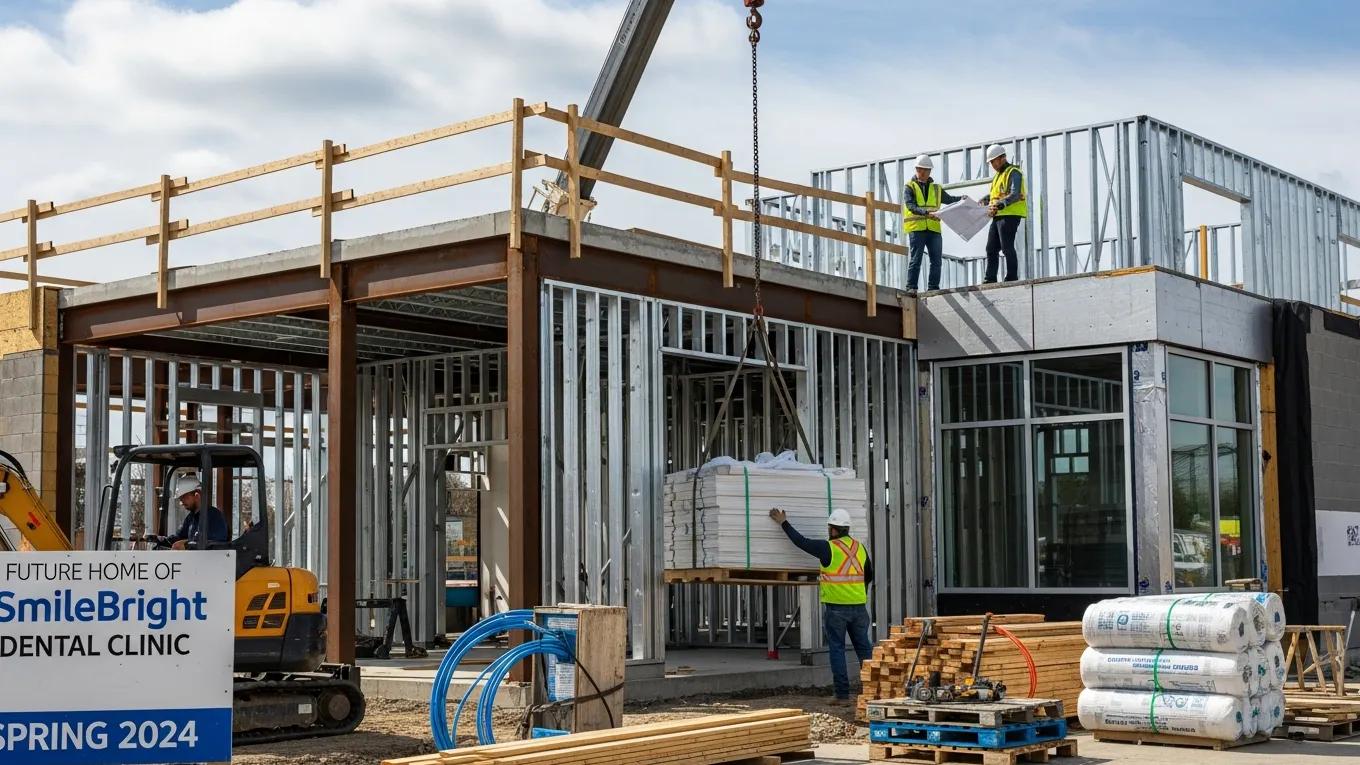
Cost of Building a Dental Clinic in Ontario: A Complete Guide
By BCT Contractors, BCT Contractors
Constructing a dental clinic in Ontario is a multifaceted project that involves careful planning, strategic budgeting, and navigating various regulatory requirements. This comprehensive guide will help you understand the essential financial components, from permits to material costs, ensuring you are well-prepared for the endeavor. As the healthcare industry continues to evolve, establishing a dental clinic requires more than just a physical space—it demands an understanding of costs associated with construction, the regulatory landscape, and efficient budget management. Throughout this article, we will highlight the key cost components, the impact of the regulatory processes, and effective budget planning strategies that will facilitate your project.
What Are the Key Cost Components of Building a Dental Clinic in Ontario?
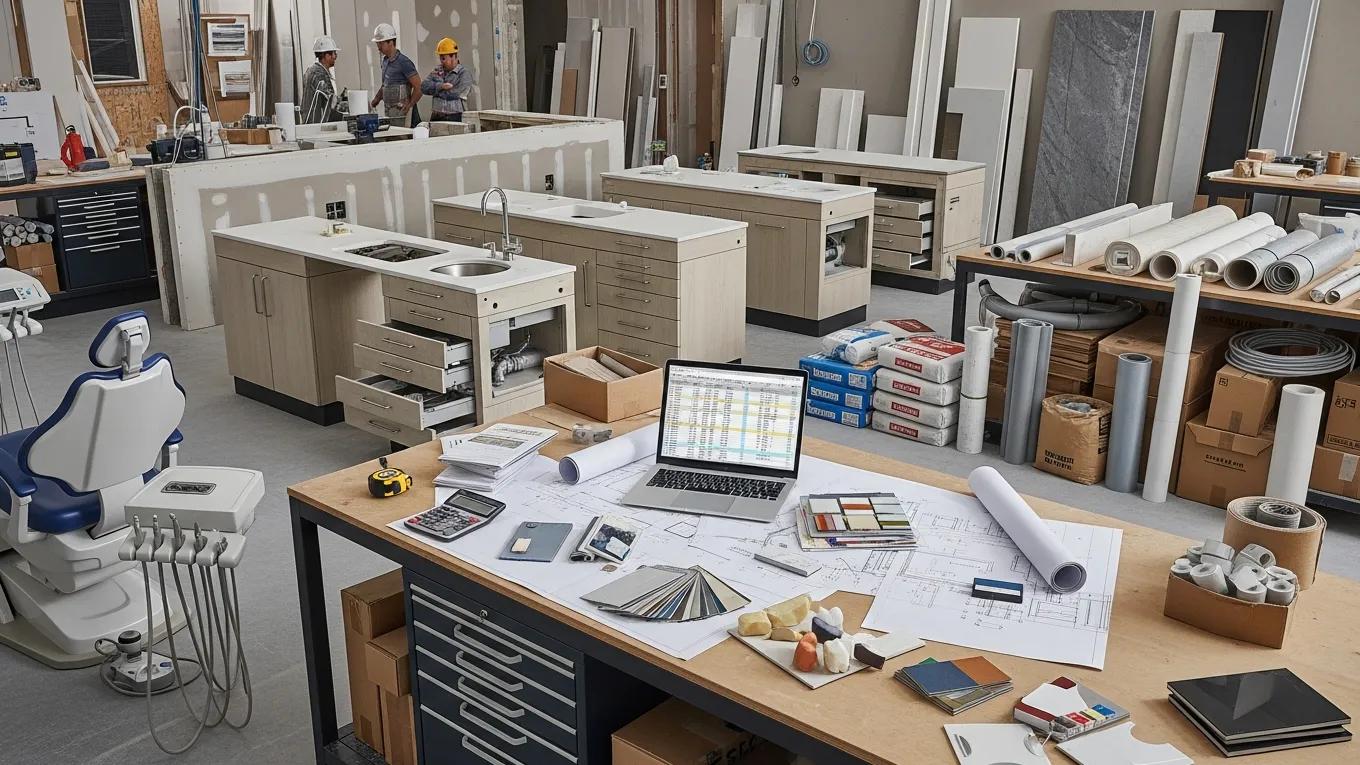
When assessing the cost of building a dental clinic in Ontario, various factors come into play that significantly influence the overall budget. These include permits, labor, materials, and equipment expenses. Understanding these components is crucial for accurate financial planning and ensuring that the project remains on track.
How Do Permits and Regulatory Fees Affect Dental Clinic Construction Costs?
Permits and regulatory fees are essential considerations in clinic construction costs, typically ranging from $5,000 to $20,000. Various permits, including building permits, zoning approvals, and inspections, need to be obtained before commencing construction. Each permit has associated fees and processing times that can impact the overall timeline and budget. Delays in obtaining the necessary permits may lead to increased costs due to extended labor and other resources.
What Are the Typical Material, Labor, and Equipment Expenses?
The costs of materials, labor, and equipment are significant portions of the total budget. Material costs will vary based on the quality and type of construction planned, while labor expenses typically account for 30-50% of the total project cost. It’s essential to budget for tools and equipment, which can further increase expenses. Understanding the typical ranges can assist you in planning:
- Materials: Costs will depend on the chosen design and structural needs.
- Labor: As previously noted, these costs can vary widely.
- Equipment: Depending on the selected dental equipment, expenses can be considerable.
Understanding these upfront financial commitments is crucial for any corporation venturing into the construction and operation of a large dental facility.
Considering Upfront Costs for Dental Clinic Construction
It seems doubtful that many corporations would be willing to invest the hundreds of thousands of dollars in front-end costs associated with the construction and operation of a large Traditional and emerging forms of dental practice. Cost, accessibility, and quality factors., 1982
How Does the Ontario Regulatory and Permitting Process Impact Project Budgets?
The regulatory and permitting process in Ontario can be complex, impacting both the total project budget and the timeline for construction. Understanding how these regulations function is critical for successful planning.
What Are the Steps and Timeline to Obtain Construction Permits in Ontario?
To acquire the necessary permits for construction, follow these essential steps:
- Initial Consultation: Engage with local planning authorities to understand requirements and gain clarity on zoning regulations.
- Permit Application: Submit completed applications along with any design documents or plans.
- Plan Review: The municipality will review the submitted plans, which may involve multiple departments.
- Approval and Issuance: Once approved, permits will be issued, enabling construction to commence.
This entire process may take anywhere from 2 to 8 weeks depending on the complexity of your project and the local authority’s processing times.
What Is the Typical Construction Timeline for Dental Clinic Projects in Ontario?
The construction timeline of a dental clinic project in Ontario is influenced by various phases, including design, permitting, actual construction, and interior fit-out. Typically, the entire process may take anywhere from 6 months to over a year, depending on the project’s scope and size.
Which Project Phases Influence Build Duration and Cost?
Several key phases affect the duration and costs of the construction:
- Pre-Construction Phase: Involves planning, budgeting, and obtaining permits.
- Construction Phase: The actual building process; delays here can significantly increase costs.
- Post-Construction Phase: Completion of the interior and final inspections.
How Can Delays and Inflation Affect the Overall Budget?
Delays and inflation can drastically impact the overall budget during the construction of a dental clinic. Economic trends often result in fluctuating costs of materials and labor. To mitigate these impacts, it’s crucial to plan for potential delays and include a contingency budget to absorb unforeseen expenses. Historically, inflation trends project an annual increase in construction costs by approximately 4-6%. Proper financial planning and “managing cost escalation” are paramount to keeping such projects on budget.
These financial considerations highlight the need for robust cost studies in dentistry that encompass all relevant factors for accurate planning and resource allocation.
Dental Care Costs: Methodologies, Trends, and Financial Burden
Oral diseases remain among the most widespread non-communicable conditions globally, disproportionately affecting low- and middle-income populations. Despite the substantial and rising financial burden—estimated at US$ 298 billion in 2010—existing cost studies in dentistry often omit indirect costs and lack methodological consistency. These gaps hinder fair reimbursement, cost-effectiveness modeling, and equitable resource allocation.
Costs in dental care: a scoping review of methodologies and trends, P Tatari, 2025
How to Choose Commercial Dental Clinic Contractors in Ontario for Client Satisfaction?

Selecting the right contractors for your dental clinic project can make a significant difference in both satisfaction and outcome. It is essential to evaluate potential contractors based on several defining criteria to ensure they meet project demands effectively.
What Criteria Ensure Contractor Reliability and Expertise in Dental Builds?
When assessing contractor reliability, consider the following criteria:
- Experience with Dental Projects: They should have a proven track record in constructing similar healthcare facilities. “Dental construction experts” should be a primary consideration.
- Client Communication: A contractor that maintains open lines of communication can better facilitate successful project management.
- Quality Assurance Practices: Inspect their quality control processes to ensure they meet industry standards.
How Does Effective Project Management Optimize Cost and Quality?
Effective project management plays a vital role in optimizing both costs and quality during the construction process. Key elements include:
- Clear Communication: Establish transparent communication channels with contractors and stakeholders.
- Quality Control Measures: Implement ongoing inspections and feedback loops to catch issues early.
- Client Involvement: Involvement of clients in decision-making ensures the project remains aligned with expectations.
What Are Real-World Examples of Dental Clinic Construction Costs in Ontario?
Understanding actual construction costs through real-world examples helps in estimating budgets more accurately based on similar projects.
How Does Renovation Compare to New Construction in Terms of Budget?
Renovations versus new builds can present different budget considerations. Typically, renovations can range from $200 to $450 per square foot, while new constructions may vary from $300 to $700 per square foot depending on location, design, and complexity. For more detailed insights, understanding the “new build vs. renovation costs” is crucial.
Indeed, sometimes renovation offers a more budget-friendly approach compared to a completely new build, particularly for primary care centers.
Renovation vs. New Construction Costs for Primary Care Centers
Moreover, renovation costs can be lower than new construction, if the basic Primary care centers: Design and construction, 1977
How to Effectively Plan a Dental Clinic Construction Budget in Ontario?
Creating a comprehensive budget for your dental clinic involves careful planning and forethought. It’s crucial to identify all expected costs and strategic allocation of resources.
Which Budgeting Tools and Cost Estimators Are Recommended?
Utilizing budgeting tools and cost estimators can provide valuable assistance in planning costs effectively. Consider:
- Construction Management Software: Helps track expenses in real-time.
- Online Cost Estimators: Can provide baseline data for planning.
- Consultancy Services: Often offer expertise in detailed budgeting and scope management.
How to Account for Contingencies and Future Maintenance Costs?
It’s crucial to factor in contingencies for unexpected expenses, typically suggested at 10-15% of the total budget. Additionally, future maintenance costs should be estimated based on the longevity of materials and expected wear and tear. Factor in ongoing maintenance as a part of your total operational budget to avoid future financial strain.