Dental Office Construction Ontario: Essential Insights and Planning Guide Before Building
Building a dental office in Ontario involves a complex interplay of design, regulations, and practical considerations. This comprehensive guide aims to equip you with essential insights into the planning process, regulatory requirements, and design elements necessary for a successful dental office construction project. As you navigate this journey, understanding the nuances of dental office construction will help you avoid common pitfalls and ensure a smooth execution. This article will cover key aspects such as budgeting strategies, project management practices, and sustainable practices, providing a roadmap for your construction endeavor.
Comprehensive Planning Guide for Dental Office Construction in Ontario
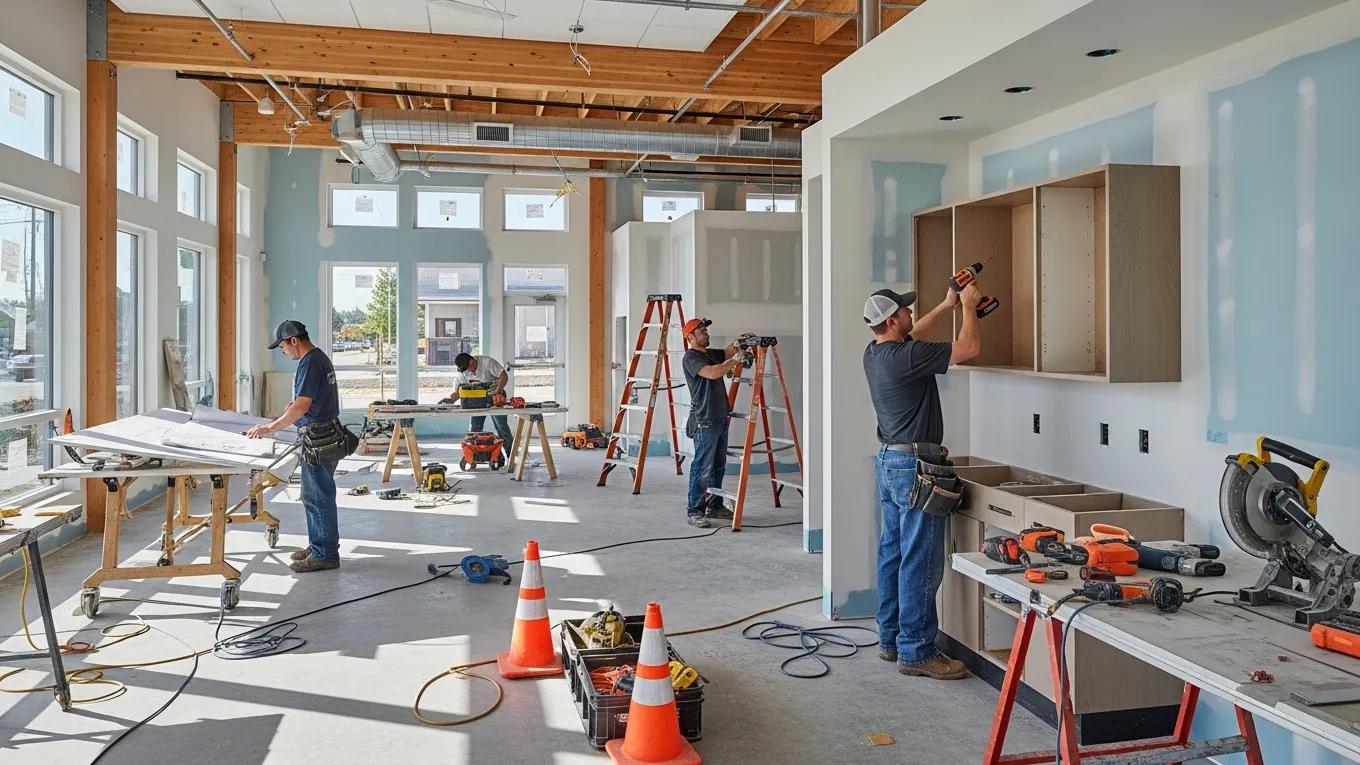
The planning process for dental office construction in Ontario is multifaceted, requiring careful consideration of various factors. Initially, it is crucial to engage in thorough consultation with stakeholders, including architects, contractors, and dental professionals. This collaborative approach ensures that the design aligns with the specific needs of the practice while adhering to local regulations. The design development process involves creating detailed blueprints that reflect the desired layout and functionality of the office, followed by the execution of construction, which must be meticulously managed to stay on schedule and within budget.
Essential Considerations
When planning dental office construction, several key factors must be taken into account:
- Consultation and Planning: Engaging with professionals early in the process helps clarify the vision and requirements for the space.
- Design Development: A well-thought-out design enhances patient experience and operational efficiency.
- Construction Execution: Effective project management during construction is vital to ensure timely completion and adherence to quality standards.
These considerations lay the groundwork for a successful dental office that meets both regulatory standards and the needs of the practice.
Regulatory Requirements
Understanding the regulatory landscape is essential for any dental office construction project in Ontario. Key regulations include:
- Ontario Building Code: This code outlines the minimum construction standards to ensure safety and accessibility.
- Health Canada Guidelines: Compliance with these guidelines is crucial for maintaining health and safety standards in healthcare facilities.
- Local Municipal Regulations: Each municipality may have specific requirements that must be adhered to, including zoning laws and permit applications.
Navigating these regulations effectively can prevent costly delays and ensure that the construction process proceeds smoothly.
Design Elements
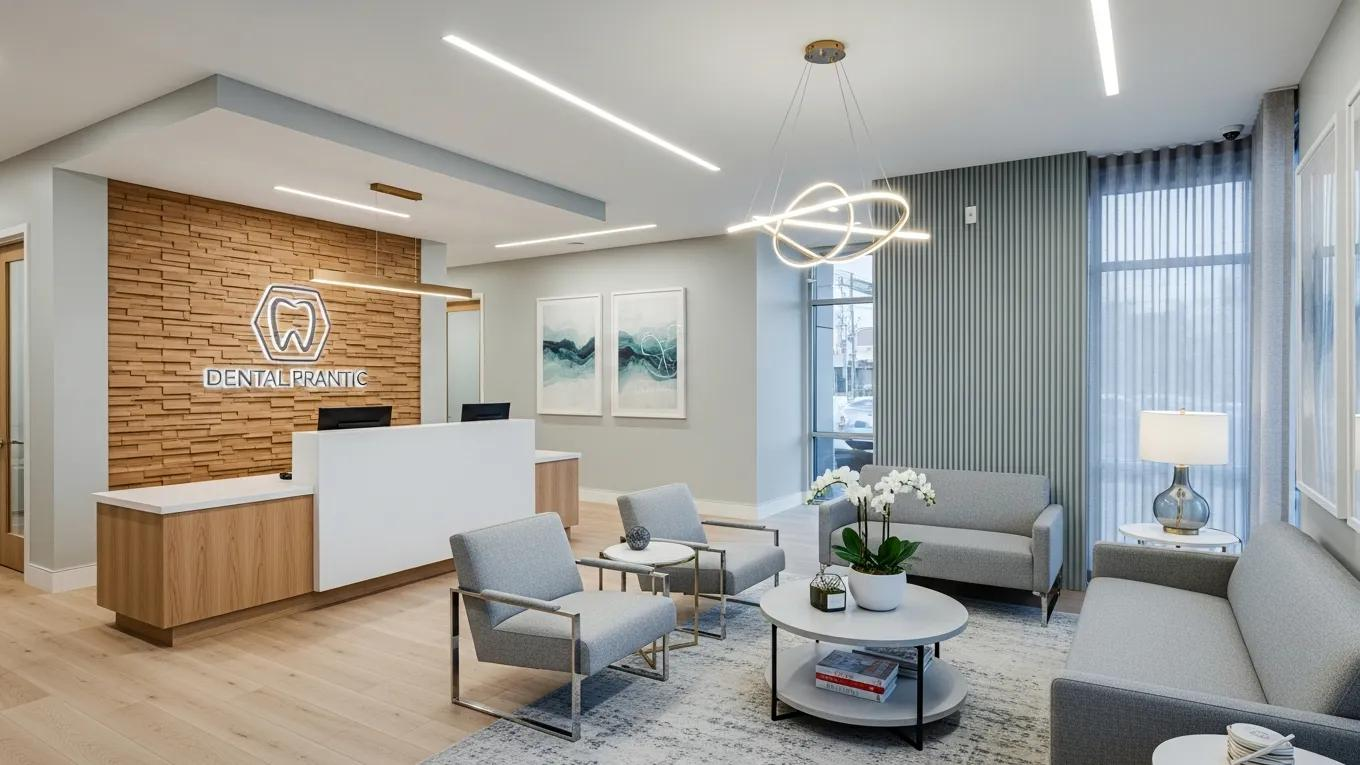
The design of a dental office plays a significant role in its functionality and patient experience. Key design elements to consider include:
- Custom Layouts: Tailoring the layout to the specific services offered can enhance workflow and patient comfort.
- Modern Lighting: Adequate lighting is essential for both aesthetic appeal and functionality, impacting the overall atmosphere of the office.
- Premium Finishes: High-quality materials not only improve the appearance of the office but also contribute to durability and maintenance ease.
Incorporating these design elements can create a welcoming environment that reflects the professionalism of the practice.
Budgeting Strategies
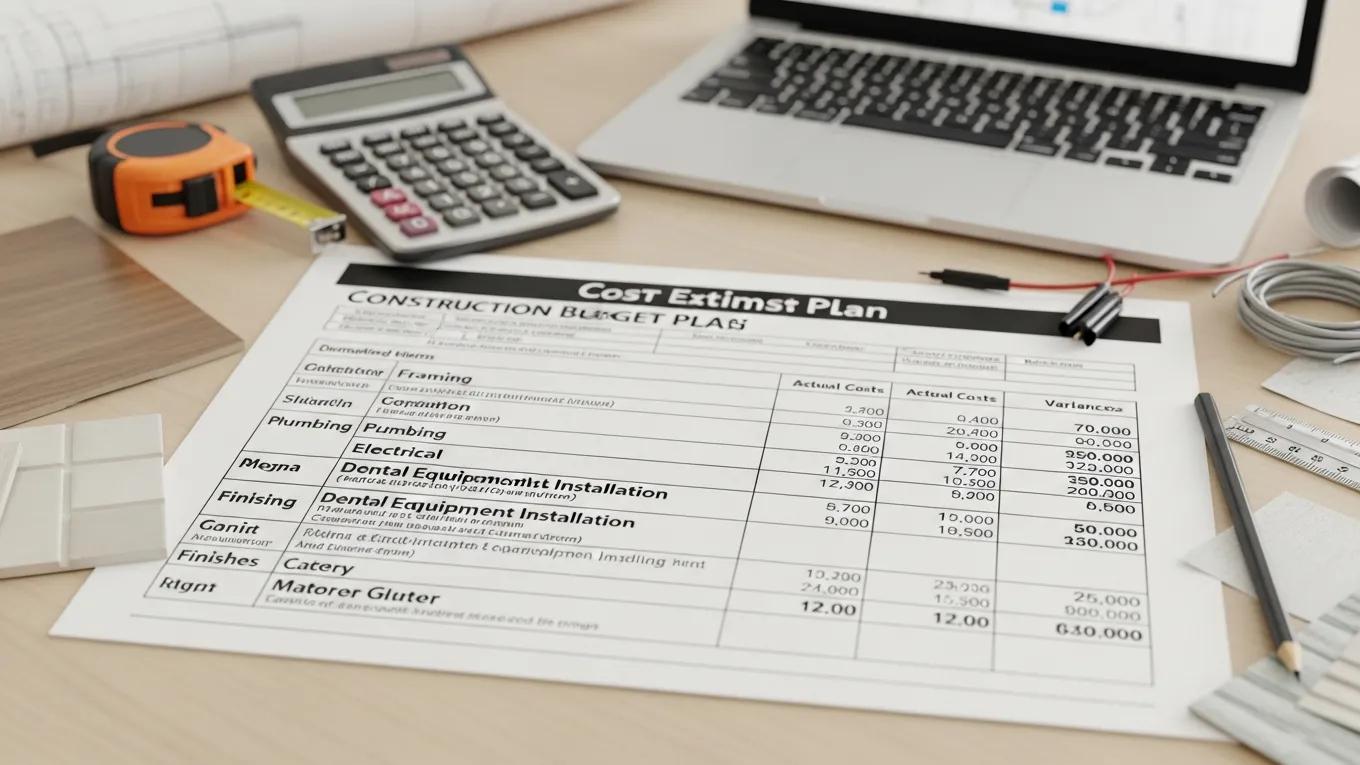
Effective budgeting is critical for the success of any construction project. Here are some strategies to consider:
- Cost Estimation Methods: Utilize detailed cost estimation techniques to forecast expenses accurately.
- Budget Management Strategies: Implementing strict budget controls can help prevent overspending and ensure funds are allocated appropriately.
- Typical Costs: Understanding the typical costs associated with dental office construction can aid in setting realistic financial expectations.
Cost Comparison Table
To illustrate the various cost factors involved in dental office construction, the following table provides a comparison of typical expenses:
This table highlights the importance of thorough budgeting and planning to ensure financial feasibility throughout the construction process.
Project Management Practices
Implementing best practices in project management can significantly enhance the efficiency and quality of the construction process. Key practices include:
- Clear Communication: Establishing open lines of communication among all stakeholders helps prevent misunderstandings and keeps the project on track.
- Efficient Scheduling: Developing a detailed project timeline ensures that all phases of construction are completed in a timely manner.
- Quality Control Measures: Regular inspections and adherence to quality standards are essential for maintaining the integrity of the construction.
By focusing on these practices, project managers can navigate challenges effectively and deliver a high-quality dental office.
Sustainable Practices
Incorporating sustainable practices into dental office construction not only benefits the environment but can also enhance the practice’s reputation. Consider the following:
- Eco-Friendly Materials: Using sustainable building materials can reduce the environmental impact of the construction.
- Sustainable Construction Methods: Implementing energy-efficient practices during construction can lead to long-term cost savings and reduced energy consumption.
These practices contribute to a healthier environment and can attract environmentally conscious patients.
Timeline for Construction
Understanding the expected timeline for the construction process is crucial for effective planning. The typical timeline can be broken down into three phases:
- Pre-Construction Phase: This phase usually lasts 4-8 weeks and involves planning, design finalization, and obtaining necessary permits.
- Construction Phase: The actual construction typically takes 12-20 weeks, depending on the complexity of the project.
- Post-Construction Phase: This phase includes final inspections and any necessary adjustments, usually taking 2-4 weeks.
By being aware of these timelines, stakeholders can better manage expectations and plan accordingly.
What Are the Key Design Principles for Dental Office Layouts in Ontario?
Designing a dental office layout requires careful consideration of several principles to ensure functionality and patient comfort. Key design principles include:
- Flow and Accessibility: The layout should facilitate smooth patient flow and easy access to treatment areas.
- Privacy Considerations: Ensuring patient privacy during consultations and treatments is essential for maintaining confidentiality.
- Ergonomic Design: Workspaces should be designed to minimize strain on dental professionals, enhancing their efficiency and comfort.
These principles contribute to a well-functioning dental office that meets the needs of both patients and staff.
How Do Accessibility Standards Influence Dental Office Design?
Accessibility standards play a crucial role in dental office design, ensuring that facilities are usable by individuals with disabilities. Key considerations include:
- Entrance Accessibility: Entrances should be designed to accommodate wheelchairs and other mobility aids.
- Interior Layout: Hallways and treatment areas must be spacious enough to allow for easy navigation.
- Restroom Facilities: Accessible restrooms should be available to meet the needs of all patients.
Adhering to these standards not only complies with regulations but also enhances the overall patient experience.
What Are Best Practices for Infection Control in Dental Office Layouts?
Infection control is a top priority in dental office design. Best practices include:
- Separation of Clean and Contaminated Areas: Design layouts that clearly separate areas for clean instruments and contaminated materials.
- Easy-to-Clean Surfaces: Use materials that are easy to disinfect and maintain, reducing the risk of cross-contamination.
- Ventilation Systems: Implement effective ventilation systems to minimize airborne pathogens.
These practices are essential for maintaining a safe and hygienic environment for both patients and staff.
How Much Does It Cost to Build a Dental Clinic in Ontario?
The cost of building a dental clinic in Ontario can vary significantly based on several factors, including location, size, and design complexity. On average, the cost can range from $200 to $400 per square foot. This estimate includes construction materials, labor, and permits. Understanding these costs is crucial for effective budgeting and financial planning.
What Are the Main Factors Affecting Dental Office Construction Costs?
Several factors can influence the overall costs of dental office construction:
- Location: Construction costs can vary based on regional economic conditions and local labor rates.
- Design Complexity: More intricate designs typically require higher investment in materials and labor.
- Regulatory Compliance: Meeting local building codes and health regulations can add to the overall cost.
By considering these factors, stakeholders can better anticipate expenses and plan accordingly.
How Can Budgeting and Cost Estimates Be Effectively Managed?
Effective budgeting and cost management are essential for successful dental office construction. Strategies include:
- Detailed Cost Estimates: Create comprehensive estimates that account for all potential expenses.
- Regular Budget Reviews: Conduct frequent reviews of the budget to identify any discrepancies and adjust as necessary.
- Contingency Planning: Set aside a contingency fund to cover unexpected costs that may arise during construction.
Implementing these strategies can help ensure that the project remains financially viable throughout the construction process.
Which Ontario Dental Office Building Regulations Must Be Followed?
Adhering to building regulations is critical for the successful construction of a dental office in Ontario. Key regulations include:
- Ontario Building Code Compliance: Ensuring that all construction meets the standards set forth in the Ontario Building Code is essential for safety and legality.
- Health Canada Guidelines: Compliance with health regulations is necessary to maintain a safe environment for patients and staff.
- Local Zoning Laws: Understanding and adhering to local zoning laws is crucial for obtaining the necessary permits.
Navigating these regulations effectively can prevent costly delays and ensure a smooth construction process.
What Are the Essential Municipal Permits and Compliance Requirements?
Obtaining the necessary permits and ensuring compliance with municipal regulations is a critical step in the construction process. Essential permits may include:
- Building Permits: Required for any construction or renovation work.
- Zoning Permits: Necessary to ensure that the proposed use of the property complies with local zoning laws.
- Health and Safety Permits: Required to ensure compliance with health regulations.
Securing these permits in advance can help streamline the construction process and avoid potential legal issues.
How Do Ontario Building Codes Impact Dental Practice Construction?
Ontario Building Codes set forth specific requirements that must be met during the construction of dental practices. These codes address various aspects, including:
- Structural Integrity: Ensuring that the building is safe and structurally sound.
- Accessibility Standards: Mandating that facilities are accessible to individuals with disabilities.
- Health and Safety Regulations: Establishing guidelines for maintaining a safe environment for patients and staff.
Understanding these codes is essential for ensuring compliance and avoiding costly modifications during construction.
How to Choose the Best Dental Office Contractor in Ontario?
Selecting the right contractor for your dental office construction project is crucial for success. Consider the following criteria:
- Experience in Dental Office Construction: Look for contractors with a proven track record in building dental facilities.
- Reputation and References: Seek testimonials and references from previous clients to gauge the contractor’s reliability and quality of work.
- Cost Estimates: Obtain detailed estimates from multiple contractors to compare pricing and services offered.
By carefully evaluating potential contractors, you can ensure that your project is in capable hands.
What Criteria Should You Use to Evaluate Dental Construction Contractors?
When evaluating dental construction contractors, consider the following criteria:
- Licensing and Insurance: Ensure that the contractor is properly licensed and insured to protect against potential liabilities.
- Portfolio of Past Work: Review the contractor’s portfolio to assess the quality and style of their previous projects.
- Communication Skills: Effective communication is essential for a successful partnership, so choose a contractor who is responsive and transparent.
These criteria can help you make an informed decision when selecting a contractor for your dental office construction.
How Do Testimonials and Project Portfolios Inform Contractor Selection?
Testimonials and project portfolios provide valuable insights into a contractor’s capabilities and reliability. Consider the following:
- Client Feedback: Positive testimonials from previous clients can indicate a contractor’s quality of work and professionalism.
- Diversity of Projects: A diverse portfolio demonstrates the contractor’s ability to handle various design styles and project complexities.
- Project Outcomes: Reviewing completed projects can help you assess the contractor’s attention to detail and overall craftsmanship.
By considering these factors, you can make a more informed decision when selecting a contractor for your dental office.
What Are Practical Tips and Timelines for Dental Practice Build Planning?
Effective planning is essential for a successful dental practice build. Here are some practical tips:
- Start Early: Begin the planning process as early as possible to allow ample time for design and permitting.
- Set Realistic Timelines: Establish a timeline that accounts for potential delays and challenges.
- Regular Check-Ins: Schedule regular meetings with your contractor to monitor progress and address any issues promptly.
By following these tips, you can help ensure a smooth and efficient construction process.
What Are the Typical Construction Phases and Duration for Dental Offices?
The construction of a dental office typically involves several phases, each with its own timeline:
- Pre-Construction Phase: Lasting 4-8 weeks, this phase includes planning, design finalization, and obtaining permits.
- Construction Phase: The actual construction usually takes 12-20 weeks, depending on the complexity of the project.
- Post-Construction Phase: This final phase, lasting 2-4 weeks, includes inspections and any necessary adjustments.
Understanding these phases can help stakeholders manage expectations and plan accordingly.
How Can Project Management Enhance Construction Efficiency and Quality?
Effective project management is key to enhancing construction efficiency and quality. Key strategies include:
- Establishing Clear Goals: Defining project goals helps align all stakeholders and keeps the project focused.
- Utilizing Technology: Implementing project management software can streamline communication and task management.
- Regular Progress Monitoring: Frequent assessments of project progress can help identify potential issues early and keep the project on track.
By prioritizing project management, stakeholders can ensure a successful construction process that meets quality standards and timelines.