The 2026 Ontario Home Renovation Cost Guide: Budgeting for Your GTA Remodel
By BCT Contractors, BCT Contractors
As homeowners embark on renovations in the Greater Toronto Area (GTA), understanding the costs associated with various projects becomes crucial for successful budgeting. The home renovation landscape in Ontario for 2026 presents unique challenges and opportunities for homeowners. From kitchen to bathroom remodels, it’s important to grasp what factors influence costs and how to plan effectively to avoid budget overruns. This guide will delve into average renovation costs, financing options, and vital budgeting strategies tailored for 2026 needs.
What Are the Average Kitchen Renovation Costs in the GTA for 2026?
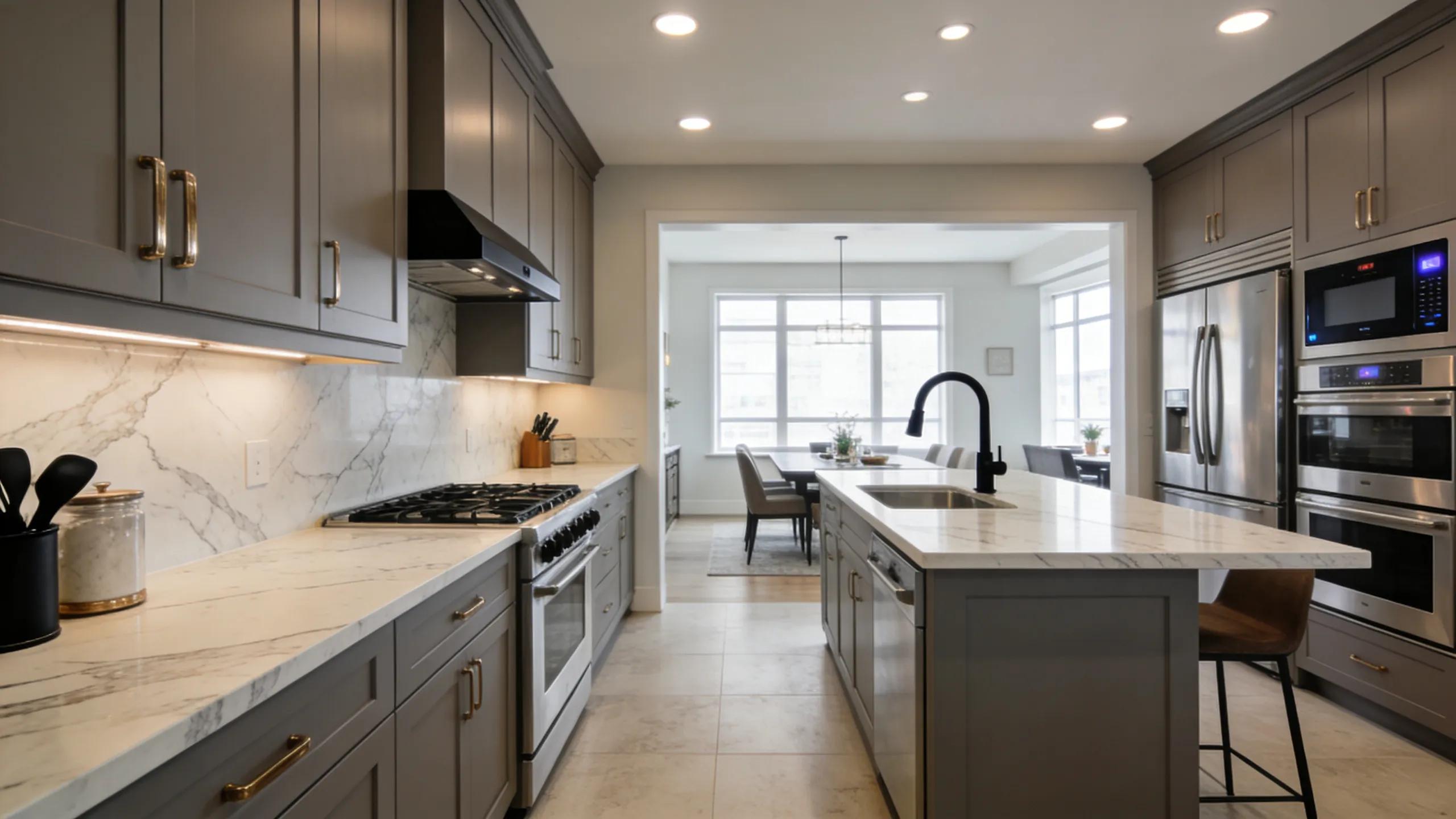
Kitchen renovations often comprise a significant portion of a homeowner’s budget, and knowing average costs can help in planning. In 2026, the average cost for a kitchen remodel in the GTA varies widely based on scope and finishes, typically falling between $25,000 to $55,000. Factors such as material selections, labor hourly rates, and kitchen layout impact overall pricing.
Which Cost Components Should You Expect in a GTA Kitchen Remodel?
When considering a kitchen remodel, homeowners should anticipate several key components that directly influence total costs. These include:
- Cabinetry: Quality cabinetry can cost between $12,000 to $25,000, depending on material and design.
- Countertops: Materials like granite or quartz average around $4,000 to $7,000.
- Appliances: New appliances typically range from $3,500 to $9,000, depending on brand and features.
Being aware of these components helps in making informed decisions regarding budget allocation.
How Do Premium Finishes Impact Your Kitchen Renovation Budget?
Choosing premium finishes can significantly alter the kitchen renovation budget. High-end materials, such as custom cabinetry or advanced appliances, can enhance aesthetics and functionality, but they also come with a higher price tag. For example, opting for luxury appliances can elevate costs by $6,000 to $12,000 compared to standard models. Investing in quality finishes can offer greater long-term value, yet homeowners need to balance beauty with their budgetary constraints.
How Can You Effectively Budget for a Bathroom Remodel in Ontario in 2026?
Budgeting effectively for a bathroom remodel entails understanding the essential factors that trip up many homeowners. The average cost for a bathroom renovation in the GTA ranges from $12,000 to $28,000. An organized approach can curtail financial stress and lead to a satisfying renovation experience.
What Are Common Cost-Saving Strategies for GTA Bathroom Renovations?
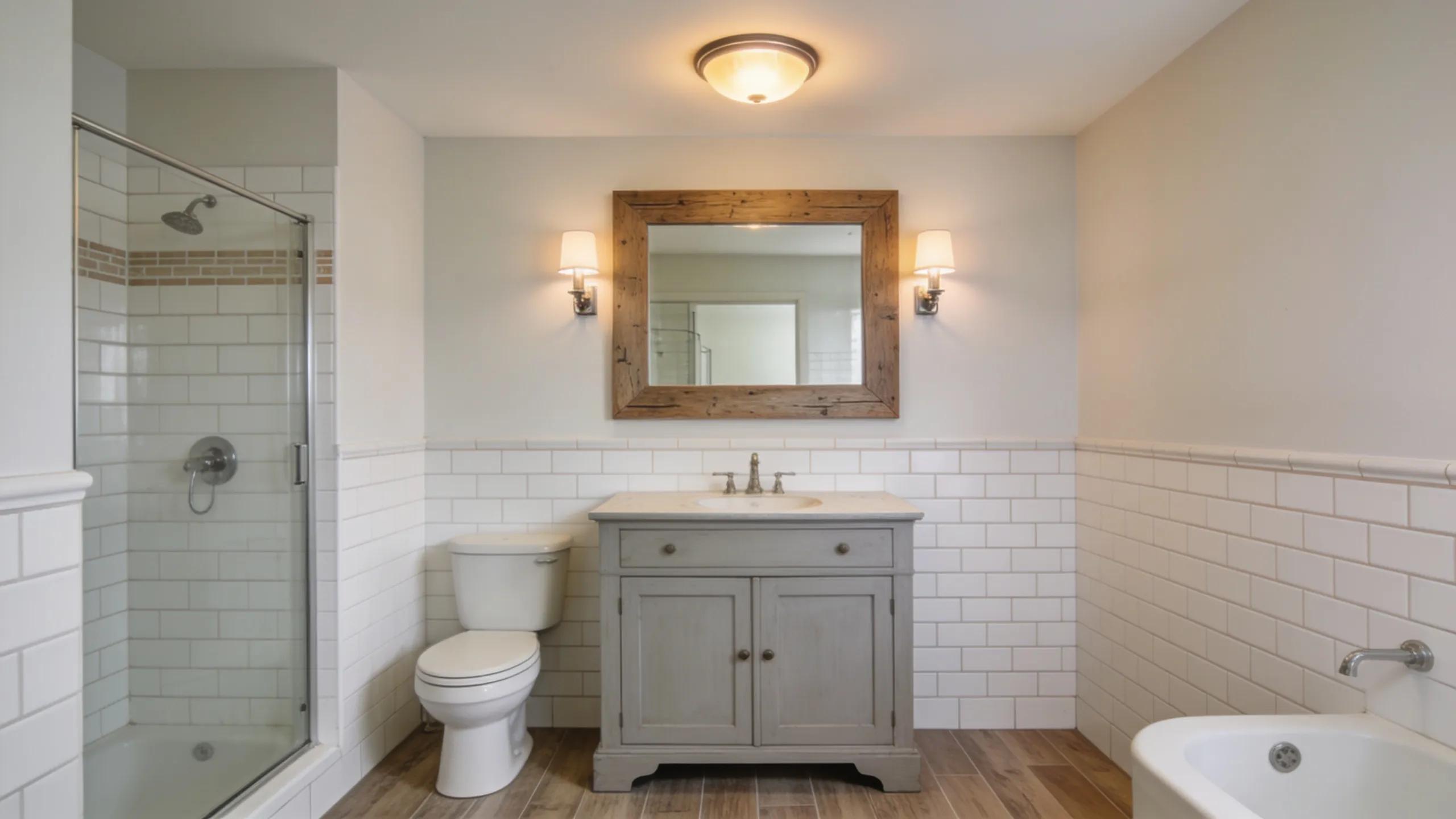
To maximize budget efficiency during bathroom renovations, considering the following strategies can lead to substantial savings:
- DIY Projects: Undertaking smaller tasks like painting or installing fixtures can save on labor costs.
- Material Discounts: Sourcing materials during sale periods or from local suppliers can result in considerable discounts.
- Reuse Existing Structures: Keeping existing plumbing and electrical layouts can minimize costly changes and reduce overall expenses.
These strategies empower homeowners to handle their remodels without breaking the bank.
Which Pitfalls Should You Avoid When Planning Your Bathroom Renovation Budget?
Planning a bathroom remodel involves avoiding common pitfalls that can lead to budget overruns. Awareness of these missteps can help ensure a smoother process, such as:
- Underestimating Material Costs: Always budget an additional 10-20% for unforeseen material expenses.
- Ignoring Labor Costs: Reliable labor can be costly; do not overlook quotes from multiple contractors.
- Setting a Tight Timeframe: Allowing flexibility can reduce stress and enable you to make better decisions.
By navigating around these pitfalls, homeowners can maintain better control over their renovation budget.
What Financing Options Are Available for Home Renovations in the GTA and Ontario?
When planning for renovations, understanding available financing options is essential. Many homeowners explore various financial solutions to fund their projects, ranging from personal loans to government grants that specifically assist with renovation costs.
How Do Home Equity Loans and Government Grants Support Your Renovation Funding?
Home equity loans are a viable way to tap into the value of your home for renovations. These loans typically offer lower interest rates compared to personal loans, making them attractive for larger projects. Additionally, Ontario offers numerous grants that can reduce overall expenses, such as the Ontario Renovates program, which assists low-income homeowners in making necessary improvements. Familiarizing oneself with these options can lead to more strategic financial decisions.
What Are the Latest Ontario Provincial Programs for Renovation Financing in 2026?
In 2026, the Ontario government continues to introduce programs aimed at making home renovations more accessible to homeowners. Recent initiatives include zero-interest loans for energy-efficient upgrades and specific grants for accessibility renovations. Utilizing these resources can make a significant impact on financial planning for renovations, allowing homeowners to improve their spaces while staying within budget.
Which Cost-Saving Renovation Tips Are Most Effective for GTA Homeowners in 2026?
Cost-saving strategies are invaluable when planning renovations, as they can result in significant financial relief. Homeowners are advised to adopt effective practices during their renovation processes, ensuring they extract maximum value from their investments.
How Can Choosing the Right Materials Help You Reduce Renovation Expenses?
Selecting appropriate materials is critical in reducing renovation costs. Budget-conscious homeowners might consider alternatives such as:
- Laminate Flooring: More affordable than hardwood but still attractive.
- Stock Cabinets: Versus custom-built units can save thousands.
- Recycling Old Fixtures: Refurbishing what you already own can eliminate new expenses.
Being judicious about material choices can lead to impressive savings without compromising the desired aesthetic of the home.
When Is the Best Time to Schedule Your Renovation for Maximum Budget Efficiency?
Timing plays a significant role in renovation costs. Generally, scheduling projects during the off-peak season (typically winter months) can lead to lower rates from contractors, who may have more availability and flexibility during this period. Additionally, planning renovations when materials are less in demand can often result in price reductions, ensuring that homeowners maximize their budget throughout the renovation process.
New Section: Understanding Permit Pitfalls and Local Ordinances for Basement Renovations and Second-Unit Conversions in the GTA
One of the most critical but overlooked aspects of home renovation in the GTA is obtaining the proper permits and complying with local zoning bylaws, especially when it comes to basement renovations and second-unit conversions. Each municipality—Toronto, Vaughan, Markham, Richmond Hill, Aurora, Newmarket, Thornhill, and North York—has its own requirements, inspection processes, and legal nuances that homeowners must understand to avoid costly pitfalls.
Legal Requirements for Basement Second-Unit Conversions in Ontario
Basement second-unit conversions are governed by both the Ontario Building Code and local zoning bylaws. It is essential to secure the necessary permits prior to beginning any work. Unpermitted conversions may lead to significant fines, complications with homeowner insurance, and problems during resale inspections that could devalue your property.
Municipality-Specific Permit and Bylaw Details
- Toronto: Requires a Second Suite Registration for legal basement apartments. The city mandates strict adherence to safety, fire code compliance, and zoning bylaws. Failure to register can result in prosecution and fines.
- Vaughan and Markham: Both municipalities have specialized zoning bylaws that regulate secondary suites, including restrictions on size, parking, and exit routes, alongside mandatory building permits. Homeowners should consult local planning departments for detailed requirements.
- Richmond Hill and Aurora: Although offering opportunities for basement finishing, these municipalities require building permits for any conversions. Compliance with fire separations, egress windows, and mechanical systems is assessed during inspections.
- Newmarket and Thornhill: Unique in that portions fall under heritage conservation districts, these areas impose additional review layers for modifications, including basement renovations. Heritage permits may be necessary alongside standard building permits.
- North York: Following Toronto’s amalgamation, North York generally adheres to Toronto’s bylaws for second suites but retains some pre-amalgamation distinctions in permit processing. Confirming with local municipal offices can clarify these nuances.
Overall, securing the correct permits is not only a legal obligation but also a shield against future financial liabilities associated with unpermitted work. Engaging with local building departments early in the planning phase ensures smooth approvals and a safer, compliant home renovation.